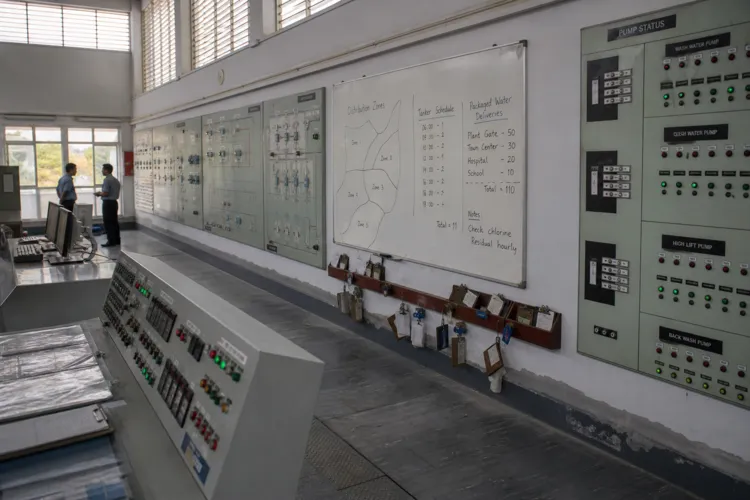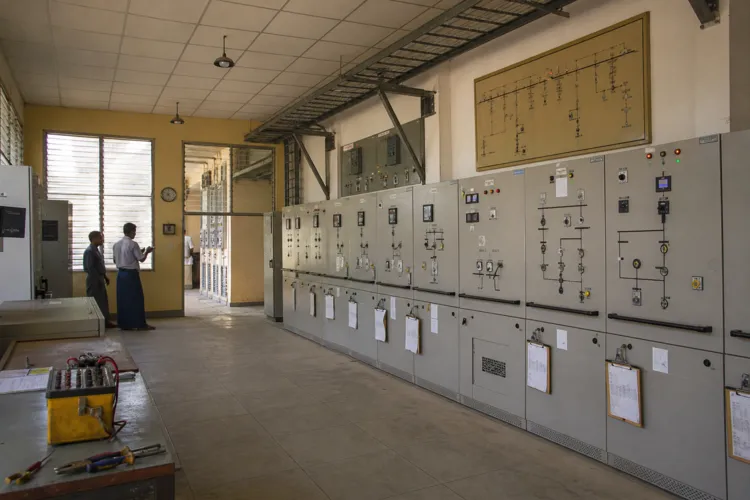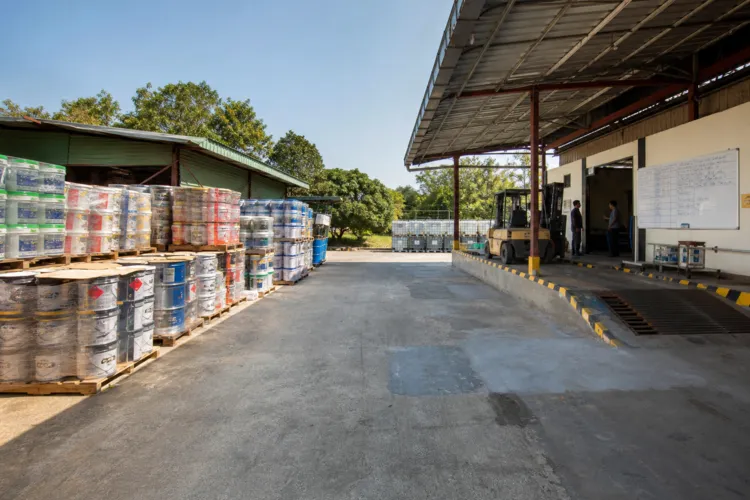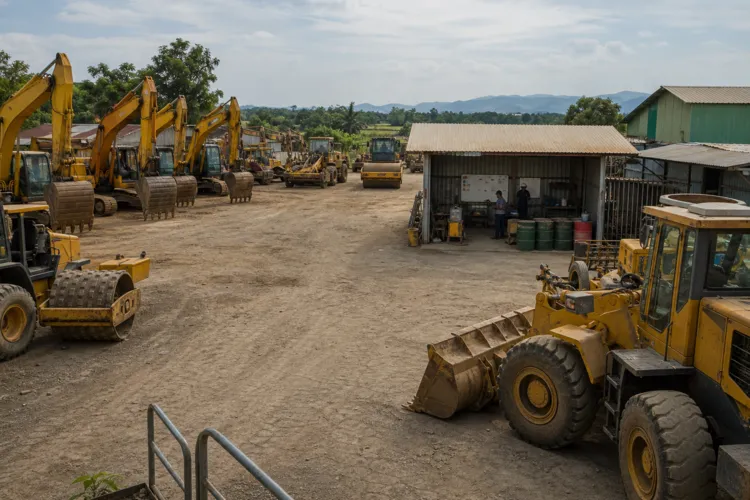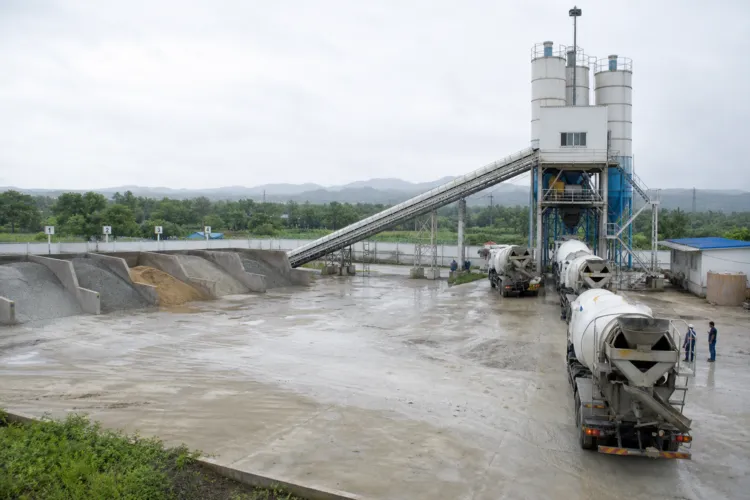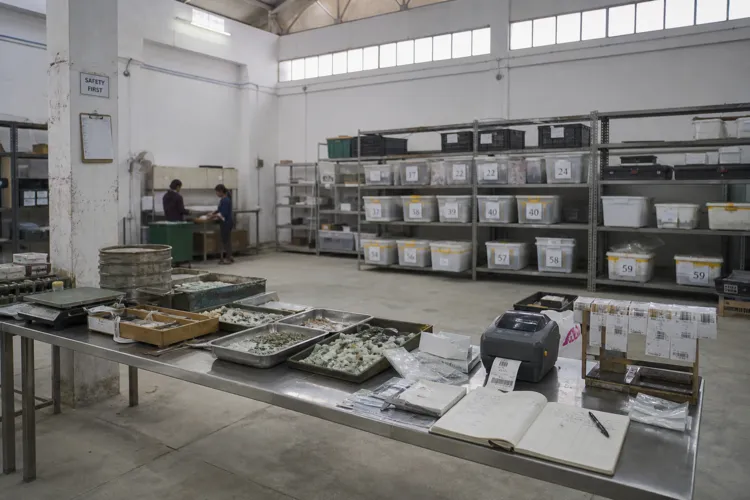
Myanmar’s built environment in 2026 sits at the intersection of uncertainty and long-run transition. GlobalData forecasts Myanmar’s construction industry to contract by 0.6% in real terms in 2026, citing political instability, geopolitical trade tensions, and weaker investor confidence. The same sources also flag risks from escalating conflict involving the US, Israel, and Iran from February 28, 2026, which could disrupt oil imports and lift energy prices, raising construction costs and pressuring schedules. In that context, sustainable and energy-efficient building adoption is less about “extra features” and more about resilience, cost control, and practical delivery choices.
Even with a difficult 2026, the medium-term pipeline described in the sources points to demand where energy performance can matter. GlobalData expects construction growth of 4.4% in real terms during 2027 to 2030, supported by investment in manufacturing, transport, and renewable energy. Separately, a Myanmar construction industry report expects output to rebound at an average annual rate of 3.8% from 2026 to 2029, driven by industrial, transport, and renewable energy investment and rebuilding after the March 2025 earthquake. For project owners, these sectors are where energy usage, power reliability, and construction productivity intersect, increasing the value of careful design and specification.
Energy Targets That Shape Building Decisions Through 2030
National energy direction in the sources provides the clearest rationale for more energy-efficient buildings. Myanmar’s National Electrification Master Plan targets an increase in electricity generation capacity from approximately 6,000MW in 2024 to 12,000MW by 2030. In parallel, the government has committed to phasing out coal completely by 2050 and is drafting a new 20-year energy development plan for 2026–2045 to expand clean energy. Another report states Myanmar aims to generate 11% (approximately 2,000MW) of electricity from non-hydro renewable sources by 2030, and 17% (3,070MW) with sufficient international support. These targets do not automatically make buildings greener, but they do tighten the link between project planning and energy strategy.
For teams seeking Myanmar green building consulting, 2026 is a year to prioritize actions that can survive volatility. The sources describe pressure on energy imports and potential supply chain disruption, which can affect logistics and project delivery schedules. That makes early-stage coordination important: aligning scope with power availability assumptions, and reducing exposure to energy-price shocks through more efficient building envelopes and systems decisions. It also means selecting delivery methods that reduce rework and schedule risk when uncertainty rises, because delayed projects can magnify costs when fuel and imported inputs fluctuate.
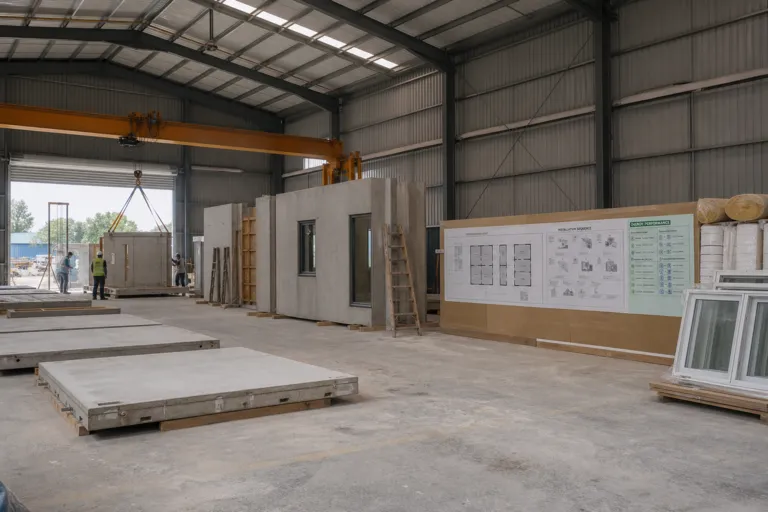
Prefabrication is one adoption pathway that aligns with productivity and could support energy-smart outcomes when paired with rigorous specification. Myanmar’s prefabricated construction market is projected to grow by 10.2% annually to reach MMK 228,592.2 million in 2026, after recording a CAGR of 11.8% between 2021 and 2025. The same databook forecasts a CAGR of 9.1% from 2026 to 2030, increasing from MMK 207,480.2 million in 2025 to approximately MMK 324,200.2 million by 2030. With more modular and precast activity across residential, commercial, and industrial projects, design teams have a clearer chance to standardize details and reduce inconsistencies—key ingredients for delivering repeatable performance rather than one-off promises.
What is the construction outlook in Myanmar for 2026?
Which energy targets in the sources can influence energy-efficient building adoption?
How can green building consulting help projects manage 2026 risks in Myanmar?
What do the sources say about prefabricated construction growth in Myanmar?