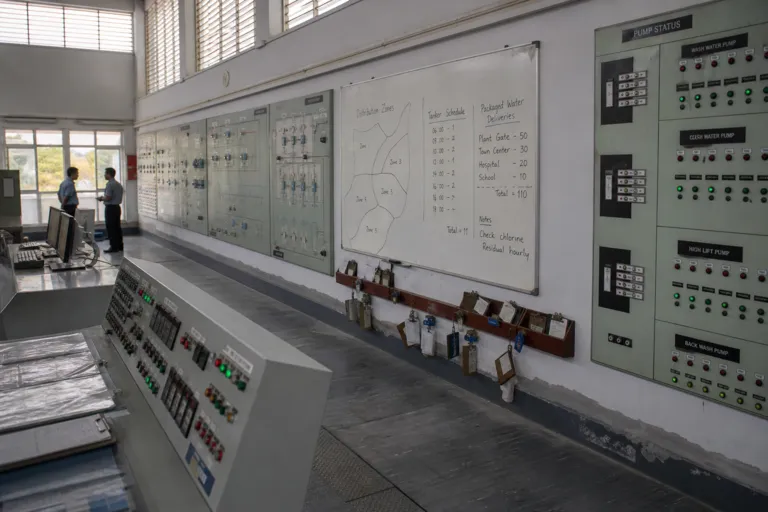
Myanmar’s urban water supply outlook in 2026 sits under pressure from both service gaps and humanitarian need. More than 60% of households still lack safely managed drinking water services, even though access to safely managed drinking water improved from 27.11% in 2000 to 58.83% in 2020. At the same time, over 3 million internally displaced persons (IDPs) require WASH assistance, which raises the stakes for reliable delivery in and around displacement settings. In late 2025, approximately 300 people were affected by a cholera outbreak in Myanmar, with several confirmed deaths. Displacement camps also reported widespread cases of diarrhea and other illnesses linked to contaminated water sources.
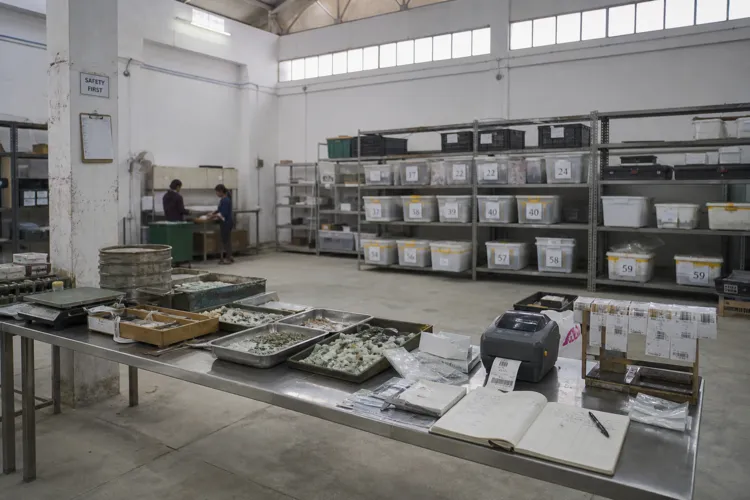
For cities and peri-urban townships, a practical investment signal is the way households shift consumption when municipal credibility or continuity is questioned. One Myanmar market research forecast projects the country’s bottled water market will reach USD 387.0 million by 2031. It links urban reliance on packaged water to frequent power outages that disrupt household pumps and purification systems. Another Myanmar packaged-water analysis describes the category as domestic-bottling and import-light, with imported premium still and sparkling waters occupying a narrow high-price niche and import dependence described as in the low single digits to low teens by volume. It also notes demand concentration in the Yangon–Mandalay–Nay Pyi Taw corridor, with the top three urban agglomerations likely accounting for roughly 45–60% of organized retail and foodservice volume.
Where 2026 WASH Investment Signals Are Emerging
Several cost and execution constraints shape how WASH investment can land in 2026, especially for treatment and distribution. Electricity reliability and diesel back-up costs are described as raising purification and cold-chain expenses, adding an estimated 8–15% to production cost versus regional benchmarks. Distribution also carries a clear penalty: logistics fragmentation and seasonal road access in monsoon months are associated with regional price dispersion of 15–30% between Yangon and secondary towns. These are not abstract frictions; they influence where operators place facilities, how they size inventory, and which locations are prioritized for dependable service. Regulatory enforcement on bottled-water safety, labeling, and licensing is also characterized as uneven, creating compliance risk and periodic market disruption for smaller bottlers.
Sanitation hardware is another lens on the Myanmar water and sanitation infrastructure market, because supply risk can quickly translate into project delays and price volatility. One forecast for ceramic sinks, baths, water closet pans, and similar fixtures describes the segment as structurally import-dependent, with an estimated 65–80% of supply arriving from Thailand, China, and Vietnam. It adds that domestic production remains limited and concentrated in a small number of facilities near Yangon and Mandalay, supplying primarily low-cost, standard-grade WC pans and wash basins for price-sensitive rural and peri-urban buyers. The same source expects growth in the 4–6% CAGR range through 2035, while warning it is contingent on macroeconomic stabilization and improved import financing access.
Within plumbing-linked fixtures, trade concentration can also matter for procurement strategies. A Myanmar market report on stainless steel sinks and wash basins states that, in value terms, China constituted the largest supplier to Myanmar, comprising 57% of total imports. Put together with the ceramic fixture import dependence range, this suggests many WASH and building projects will continue to manage cross-border sourcing, foreign-exchange constraints, and quality signaling in procurement. For 2026, the investment outlook is therefore two-sided: strengthening physical water infrastructure is framed as essential for reliable and climate-resilient supply, while private coping demand—seen in bottled water’s urban role amid power outages—continues to shape how households and institutions manage day-to-day water risk.
What do the latest sources say about safely managed drinking water access in Myanmar?
Why is WASH assistance still a major issue in 2026?
What is driving urban reliance on bottled water in Myanmar?
How import-dependent is Myanmar’s sanitation fixtures supply chain?
What is the 2026 outlook for the Myanmar water and sanitation infrastructure market?