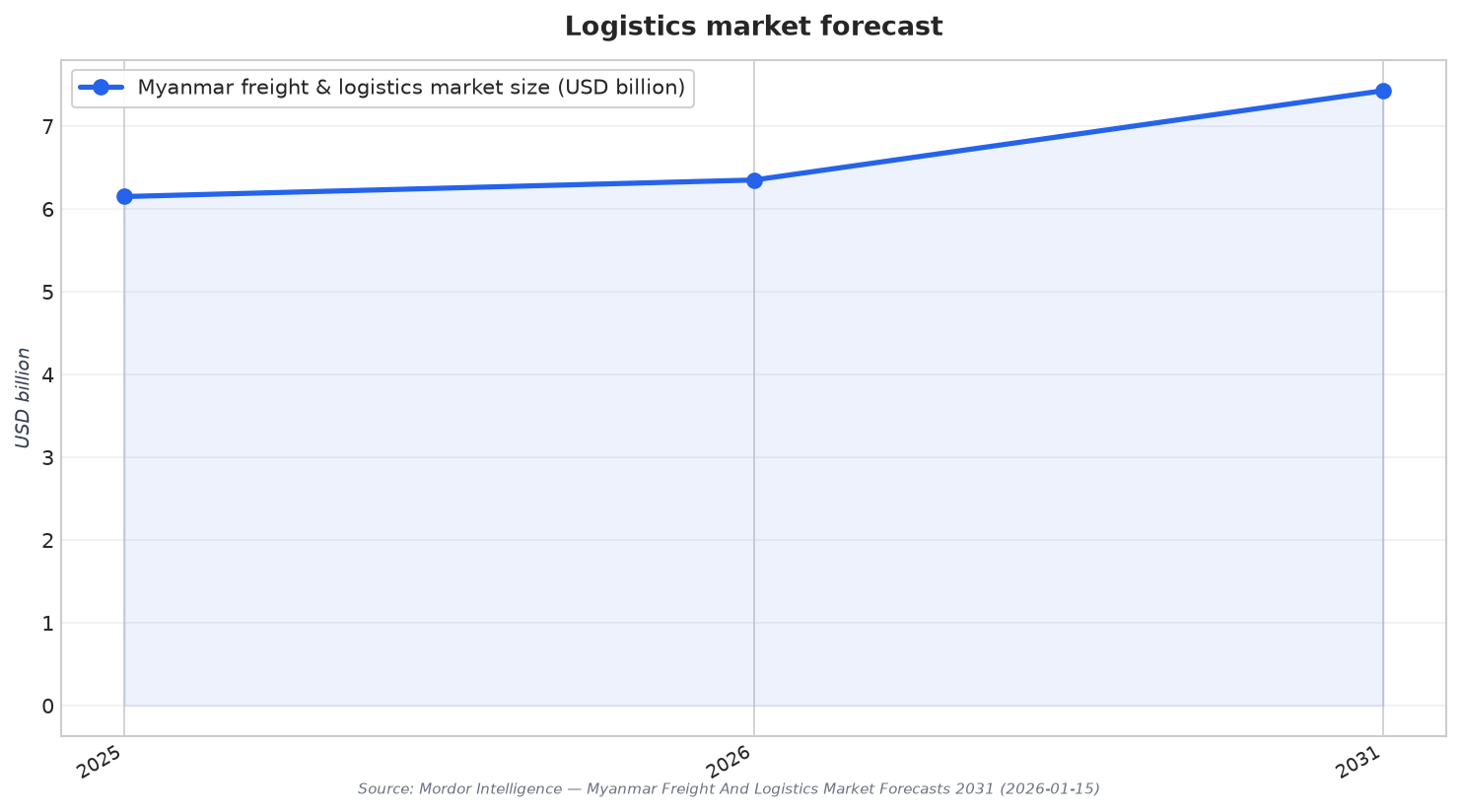
Myanmar’s freight and logistics market is expected to rise from USD 6.15 billion in 2025 to USD 6.35 billion in 2026, and reach USD 7.43 billion by 2031, according to Mordor Intelligence. The same source links measured growth to Myanmar’s role as an overland bridge between China’s Yunnan Province and the Indian Ocean within the China-Myanmar Economic Corridor. It also notes that political instability, foreign-exchange controls, and fragmented last-mile networks can temper near-term performance, even as Special Economic Zone (SEZ) expansion and cross-border digitization initiatives open new lanes.
Within this backdrop, the demand signals tied to online commerce are becoming harder to ignore. Mordor Intelligence projects Courier, Express and Parcel (CEP) services as the fastest-growing logistics function, with CEP forecast at a 4.69% CAGR over 2026–2031, and a separate CEP estimate of 4.82% CAGR over 2025–2030. The same report states that Myanmar had 5.9 million e-commerce users generating USD 3.80 billion in gross merchandise value. Domestic CEP represented 66.58% of revenue share in 2025, while international CEP is forecast to grow at a 4.88% CAGR over 2026–2031, reinforcing why cross-border readiness matters for urban delivery networks.
Last-mile Performance Is Being Shaped by Corridors, Customs, and City Density
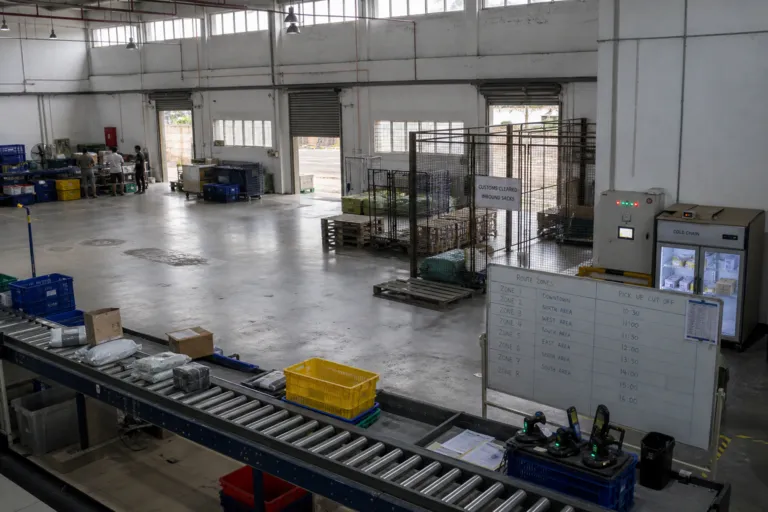
Last-mile execution is also influenced by how goods enter and move through the country. MarkWide Research highlights that Track & Trace technology is an investment priority as shippers want real-time visibility across the Thailand-Myanmar border. It also points to the Directorate of Trade’s digitization protocols compressing port clearance timelines and attracting bonded warehouse investment into Thilawa Special Economic Zone. Company activity is described in specific terms: A.P. Moller – Maersk leverages terminal operations at Yangon Port to control container throughput capacity, while Deutsche Post DHL Group competes on customs brokerage and last-mile density in Mandalay and Yangon.
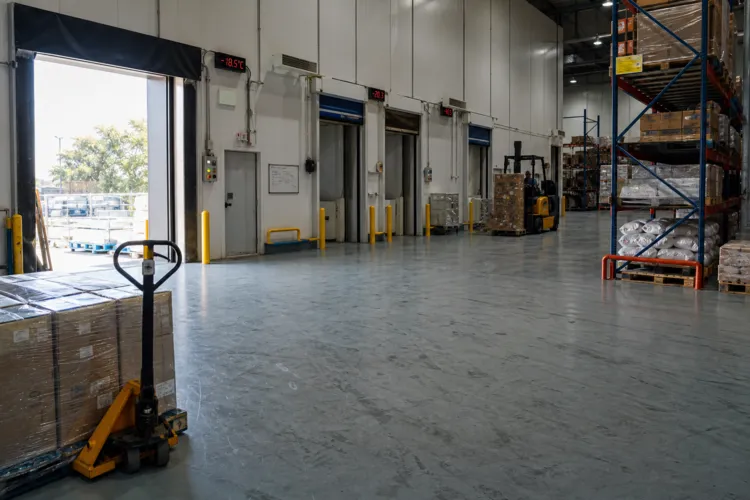
Modal mix and facility type remain practical constraints and opportunities for Myanmar e-commerce logistics planning. Mordor Intelligence reports that sea and inland waterways accounted for 79.02% of freight forwarding revenue share in 2025, while air freight forwarding is poised for 3.67% CAGR over 2026–2031. Road freight captured 71.12% of freight transport segment revenue share in 2025, yet air freight transport is expected to post the fastest 4.12% CAGR over 2026–2031. In warehousing, non-temperature-controlled facilities held a 91.28% revenue share in 2025, but temperature-controlled capacity is expected to grow at a 3.07% CAGR over 2026–2031, aligning with MarkWide’s note that agri-commodity exporters are contracting temperature-controlled storage to meet perishables requirements for shipments into China and Thailand.
Myanmar’s delivery trends also sit inside a broader Southeast Asia context that is pushing faster service and more cross-border volume. Mordor Intelligence values the ASEAN e-commerce logistics market at USD 10.25 billion in 2025, growing from USD 11.49 billion in 2026 to USD 20.37 billion by 2031 at 12.12% CAGR, with same-day fulfillment growing at a 7.39% CAGR through 2031. Separately, Southeast Asia cross-border e-commerce logistics is expected to reach USD 9.08 billion in 2025 and grow at an 11.14% CAGR to USD 15.39 billion by 2030. For Myanmar operators, these regional signals complement local realities identified by Market Data Forecast, which flags uneven infrastructure development as a restraint in developing nations such as Myanmar, and by MarkWide, which notes electricity reliability gaps that can limit automated warehousing deployment beyond Yangon and Mandalay.
What is the projected outlook for Myanmar’s freight and logistics market size?
What data points signal rising demand for Myanmar e-commerce logistics services?
Which CEP segment is larger today in Myanmar: domestic or international?
What are the main technology and operational priorities mentioned for cross-border delivery corridors?