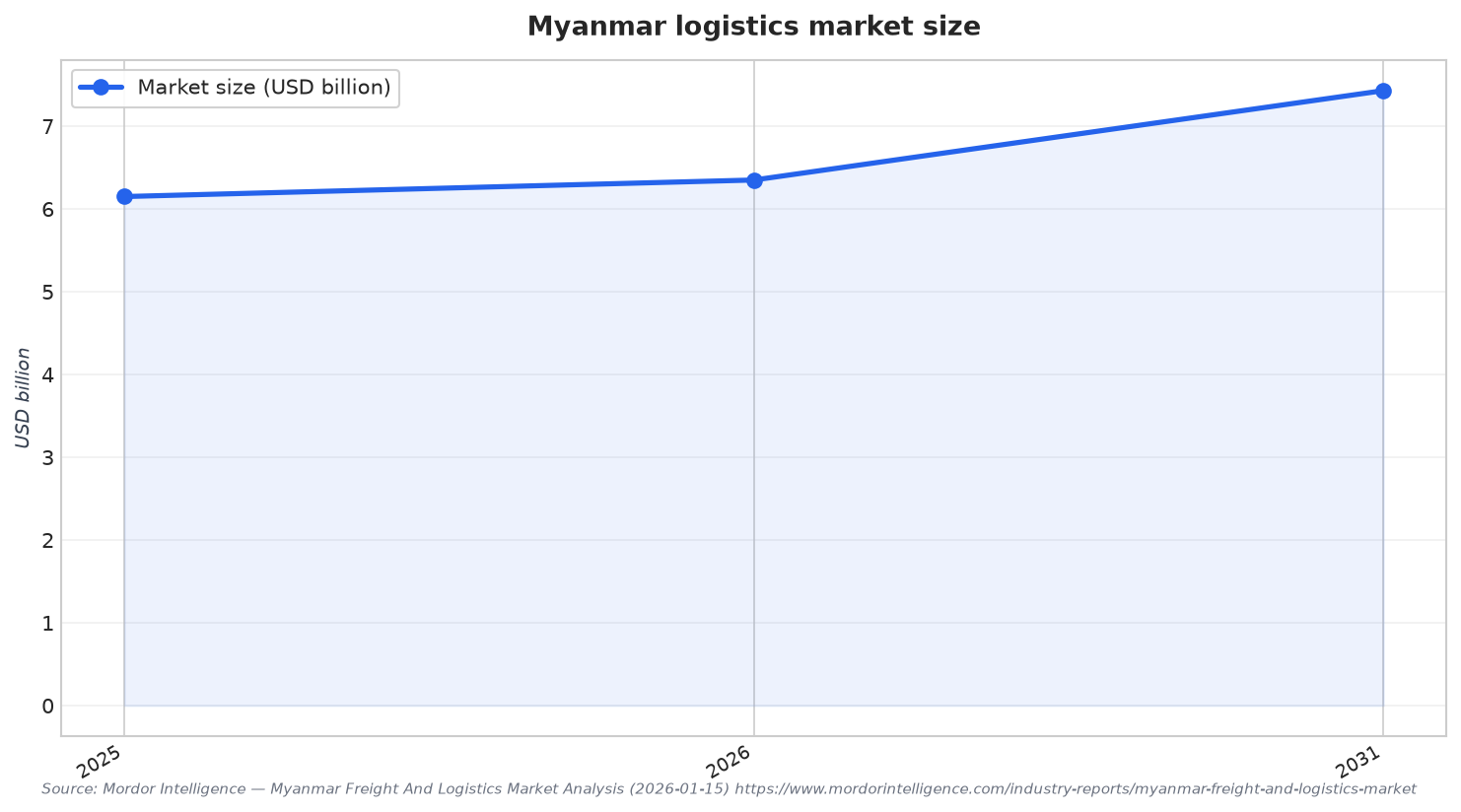
Myanmar’s freight and logistics market size is expected to grow from USD 6.15 billion in 2025 to USD 6.35 billion in 2026, with a forecast to reach USD 7.43 billion by 2031 at a 3.21% CAGR over 2026–2031. In 2024, freight transport held 60.74% of revenue, reinforcing that core line-haul and forwarding activity still anchors the market. Segment detail also points to how operators allocate assets: by freight transport, road freight captured 71.12% of segment revenue share in 2025, and by freight forwarding, sea and inland waterways accounted for 79.02% revenue share in 2025. These shares set the baseline for 2026 planning because they indicate where throughput and service expectations concentrate.
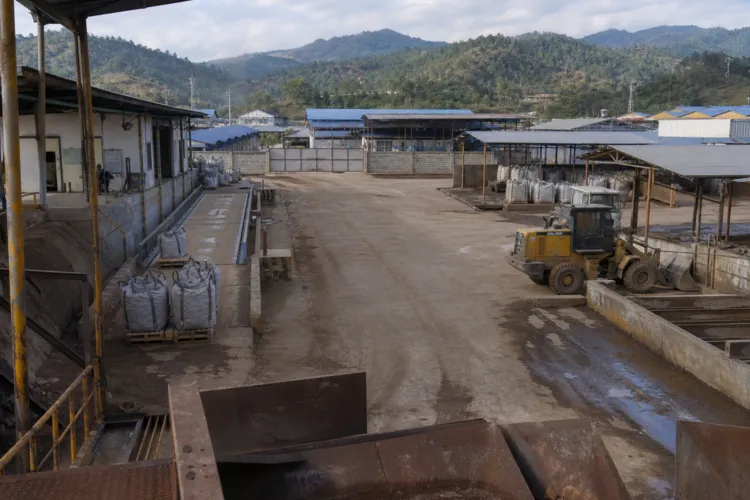
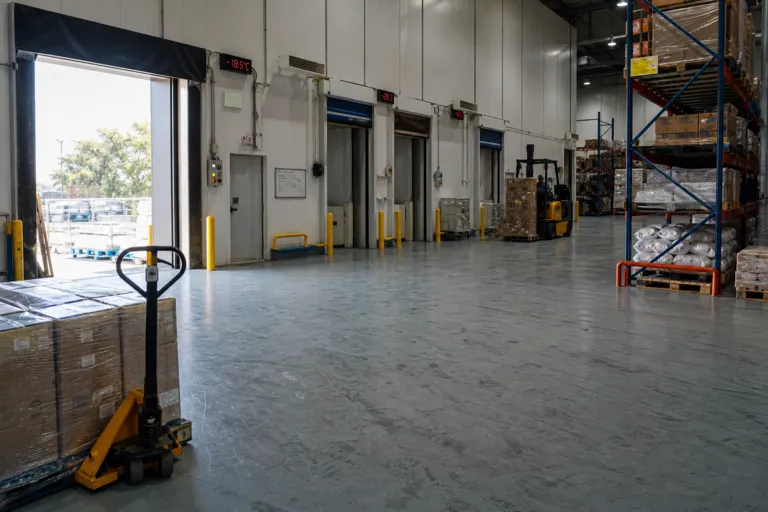
Warehousing in Myanmar sits inside this broader freight picture, and the sources highlight a strong tilt toward conventional storage. By warehousing and storage type, non-temperature-controlled facilities held a 91.28% revenue share in 2025, while temperature-controlled capacity is expected to grow at a 3.07% CAGR between 2026 and 2031. MarkWide Research adds that cold-chain infrastructure is a growth catalyst, noting that agri-commodity exporters are contracting temperature-controlled storage to meet quality requirements for perishable shipments into China and Thailand. It also describes bonded warehousing investment attracted into Thilawa Special Economic Zone as customs modernization compresses port clearance timelines, supporting clustering near Yangon Port.
What Will Shape 2026 Demand: Corridors, Customs, and E-commerce
Multiple catalysts in the sources point to why 2026 demand is not only about volume, but also about reliability and speed. The ASEAN Single Window framework is described as standardizing cross-border documentation between Myanmar, Thailand, and Vietnam, reducing transit delays on road freight corridors. MarkWide Research also emphasizes investment priorities such as Track & Trace technology as shippers demand real-time visibility across the Thailand–Myanmar border. On the demand side, Mordor Intelligence reports 5.9 million e-commerce users generating USD 3.80 billion in gross merchandise value, while courier, express, and parcel services are projected to grow fastest at a 4.82% CAGR between 2025 and 2030. These factors make execution quality a competitive differentiator in 2026.
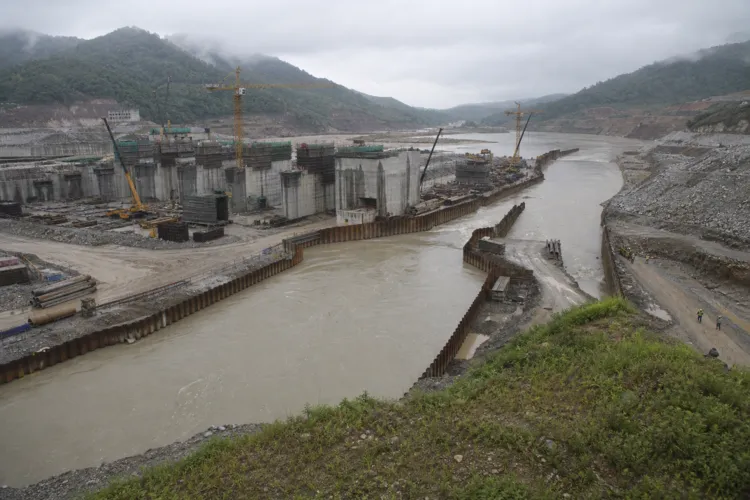
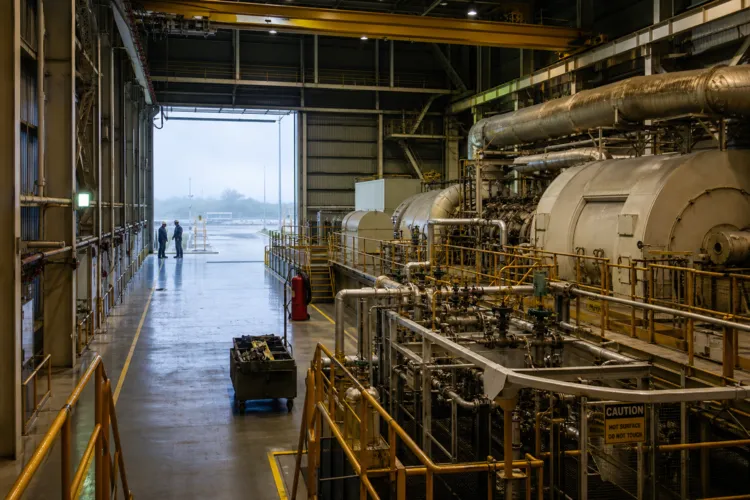
Infrastructure and project pipelines also create context, but they must be read carefully. Mordor Intelligence notes USD 5.6 billion worth of Chinese-backed projects announced in 2024 and calls out the Kyaukphyu deep-sea port valued at USD 7.3 billion as a notable example, signaling momentum in multimodal infrastructure that can expand line-haul capacity. At the same time, MarkWide Research flags constraints that can limit technology rollout, stating that automated warehousing is the fastest-growing technology segment but electricity reliability gaps stall deployment outside Yangon and Mandalay. Diesel price volatility is also cited as a restraint for road freight operators, with limited rail gauge compatibility leaving fewer modal alternatives for long-haul moves.
For buyers of Myanmar logistics consulting, the 2026 market size discussion becomes practical when linked to operating choices: which lanes to prioritize, which compliance processes to digitize, and where to place warehouses for export flows. MarkWide Research highlights e-commerce fulfillment demand from garment exporters and agricultural traders as a dominant revenue stream and references activity by A.P. Moller – Maersk at Yangon Port, Kerry Logistics corridors linked to Thailand and Vietnam, and DHL capabilities in customs brokerage and last-mile density in Mandalay and Yangon. In parallel, Mordor Intelligence shows wholesale and retail trade contributed 33.12% of market size in 2025, while manufacturing is projected to advance at a 3.42% CAGR between 2026 and 2031. Together, these signals suggest that 2026 strategies should connect facility footprint, corridor reliability, and service design to the highest-share end users.
What is the Myanmar freight and logistics market size expected to be in 2026?
Which logistics segments dominate Myanmar’s current revenue mix going into 2026?
What do the sources say about warehousing and cold chain in Myanmar?
How can Myanmar logistics consulting help companies act on 2026 market signals?