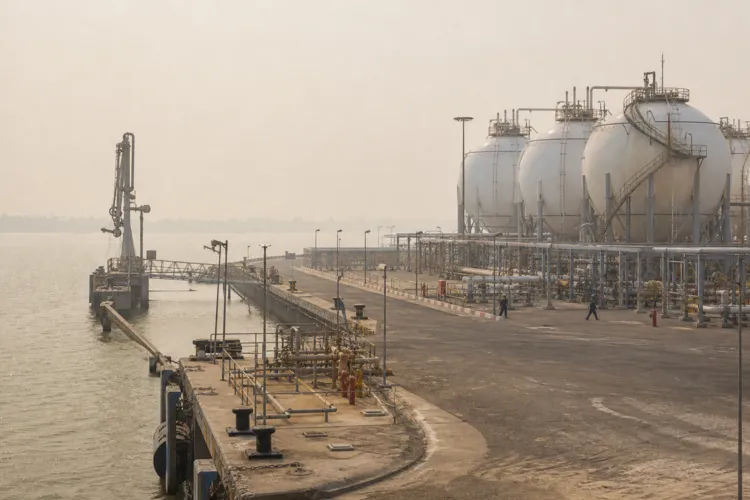

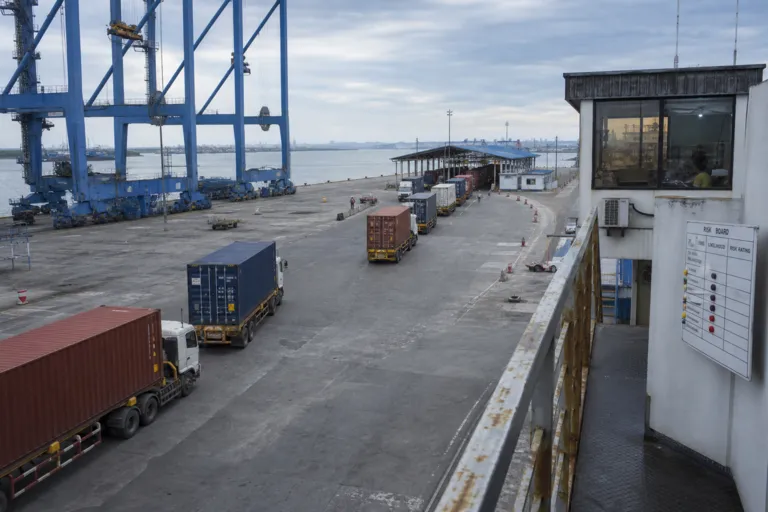
In 2026, Myanmar’s ocean freight story is increasingly tied to how quickly businesses can secure predictable container flows through Yangon seaports while managing disruption elsewhere. A World Bank review described a shift toward sea transport as conflict disrupts land borders, and it also recorded that container import delays rose to 15.8 days from 4.4 days. That change matters for shippers because longer dwell times tie up inventory and working capital before goods enter production or reach customers. At the same time, the World Bank noted containerized exports through Yangon climbed above pre-2021 levels, led by rice, maize, beans, and pulses, while containerized imports remained substantially below earlier levels due to foreign-exchange shortages and restrictive import licensing.
Connectivity indicators help explain why route diversity is a strategic issue for carriers and cargo owners. The World Bank reported that Myanmar had only 15 direct container-shipping partners in 2024, a narrow base that can amplify exposure to schedule changes and transshipment dependency. It also stated that, in 2024, Myanmar performed below the East Asia and Pacific region average across all six logistics indicators in the World Bank Logistics Performance Index 2.0 observed shipment data. Together with the jump in import dwell time, these points frame the operating reality for the Myanmar container shipping market in 2026: trade can move, but performance risks sit inside everyday port calls, clearance steps, and inland handoffs.
What’s Driving Ocean Freight Choices in 2026
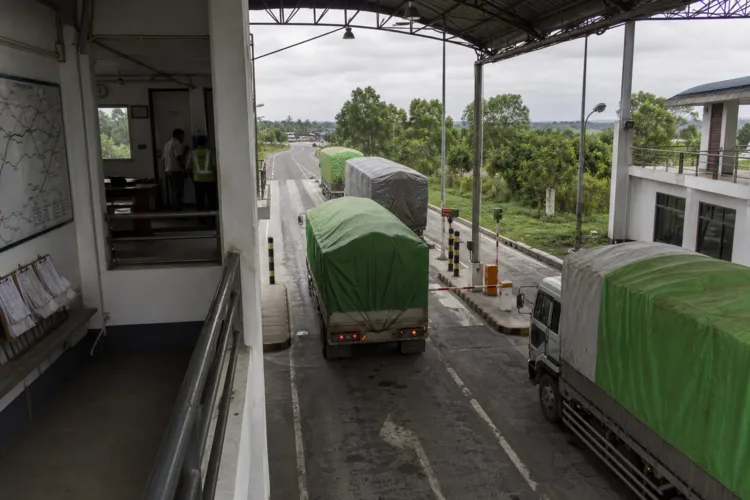
As border disruption weakens traditional land corridors to Thailand and China, businesses are adapting with alternatives that still rely on maritime and near-sea links. The World Bank identified the Yangon–Ranong container barge service as one example of companies building options when border crossings are disrupted. However, the same shift can create concentration risk around Yangon ports, increasing exposure to congestion, container availability, customs processing, and longer domestic trucking distances. The World Bank also highlighted that significant volumes can move through informal channels outside official statistics, meaning recorded trade may understate actual flows while adding legal, payment, and cargo-loss risks for businesses that cannot use formal pathways.
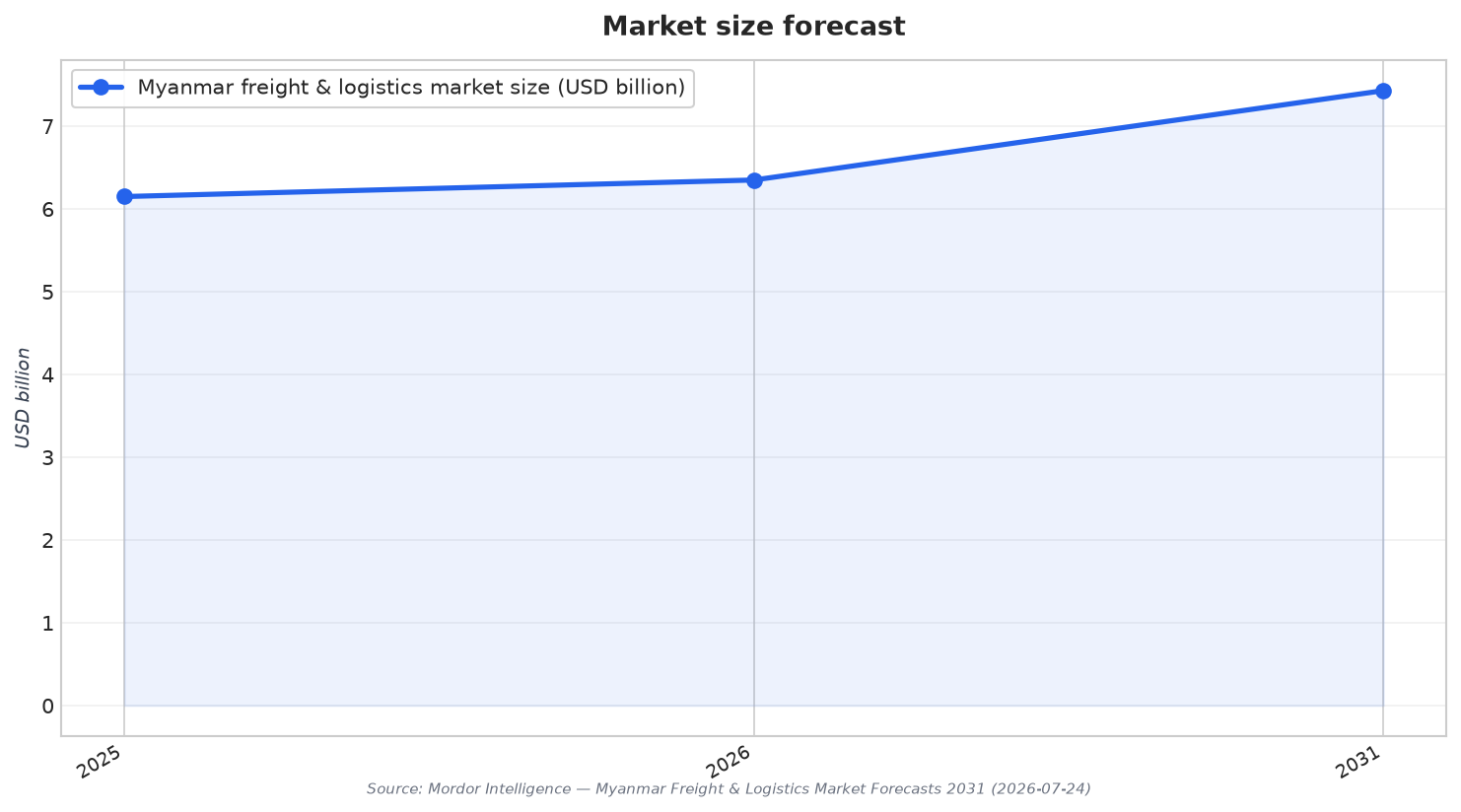
Market structure and investment priorities also shape how ocean freight connects to inland logistics. Mordor Intelligence estimated Myanmar’s freight and logistics market at USD 6.15 billion in 2025 and projected USD 6.35 billion in 2026, reaching USD 7.43 billion by 2031, with a 3.21% CAGR over 2026–2031. In its segmentation, sea and inland waterways accounted for 79.02% of freight forwarding revenue share in 2025, while road freight captured 71.12% of freight transport segment revenue share in 2025. MarkWide Research described Track & Trace technology as a leading investment priority and said the Directorate of Trade’s digitization protocols are compressing port clearance timelines, attracting bonded warehouse investment into Thilawa Special Economic Zone.
Ocean freight planning in 2026 also sits inside broader cost and reliability constraints. The World Bank noted that early 2026 brought a global fuel shock linked to disruptions in oil supplies passing through the Strait of Hormuz, and it stated Myanmar imports more than 90 percent of its fuel. With most freight traveling by road, higher diesel prices can directly raise the cost of moving goods to and from ports. Against that backdrop, MarkWide pointed to cold-chain contracting by agri-commodity exporters, while Mordor Intelligence reported non-temperature-controlled warehousing held a 91.28% revenue share in 2025 and that temperature-controlled capacity is expected to grow at a 3.07% CAGR over 2026–2031. For shippers, the practical takeaway is to align ocean routing with realistic inland capacity and clearance performance, not just sailing schedules.
What changed most for Myanmar’s container imports at Yangon seaports?
How connected is Myanmar to direct container-shipping partners?
What does the World Bank say about Myanmar’s logistics performance in 2024?
How large is Myanmar’s freight and logistics market expected to be in 2026?
What do the latest signals suggest for the Myanmar container shipping market in 2026?