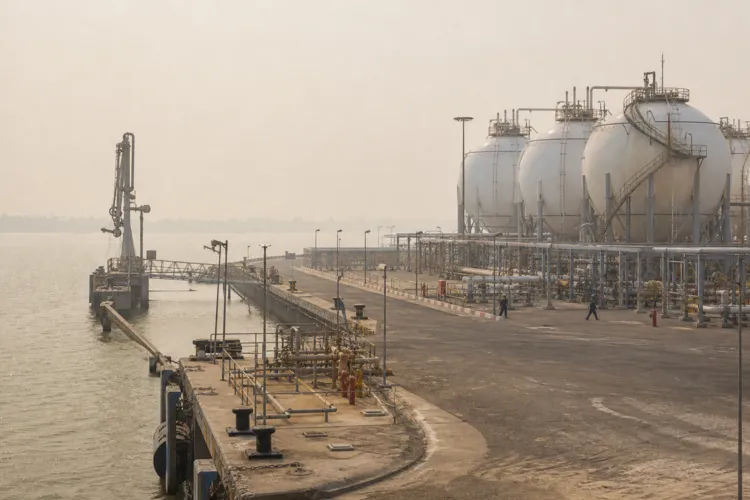

In 2026, contractor opportunities in Myanmar’s power sector are shaped as much by delivery constraints as by demand. Fitch Solutions expects Myanmar’s civil war to continue well into 2026, and it warns that this bearish backdrop threatens energy security, with widespread shortages of refined fuels expected to continue in the near term. A 2026 outlook also points to selective investment continuing from regional partners while Western FDI remains limited, even as core sectors including energy continue operating. For EPC and engineering firms, this mix changes how projects are financed, built, and operated, and it increases the value of risk-aware execution.
For bidders, a practical way to read the Myanmar power EPC market is through what the EPC scope typically includes. Sources describe full-scope engineering, procurement, and construction of generation facilities, commonly involving turbine-generator sets rated from 10 MW to over 500 MW, plus civil works and grid interconnection switchyards. Hydropower dominates installed EPC backlog due to river basin geography, while solar is gaining the fastest traction as module costs decline and irradiation data improves. Mega projects can concentrate margins due to sovereign-backed financing and extended commissioning timelines, but those same timelines can stretch further under tighter funding conditions.
Where 2026 Contractor Demand Clusters: Solar Scale-Up, Hybrids, and Rehabilitation
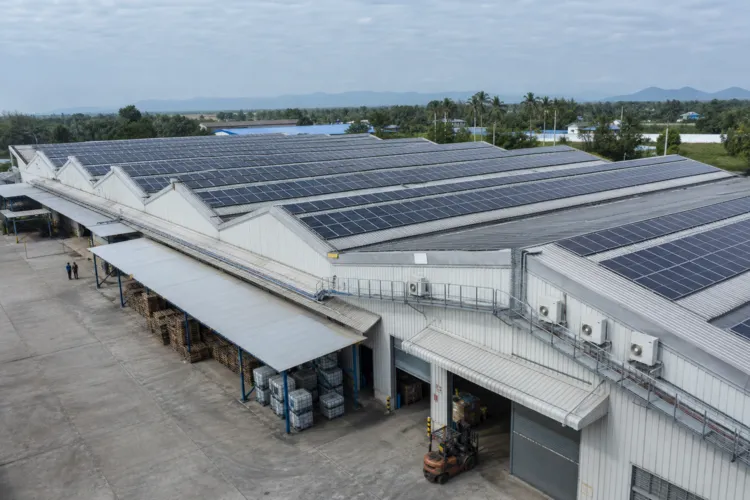
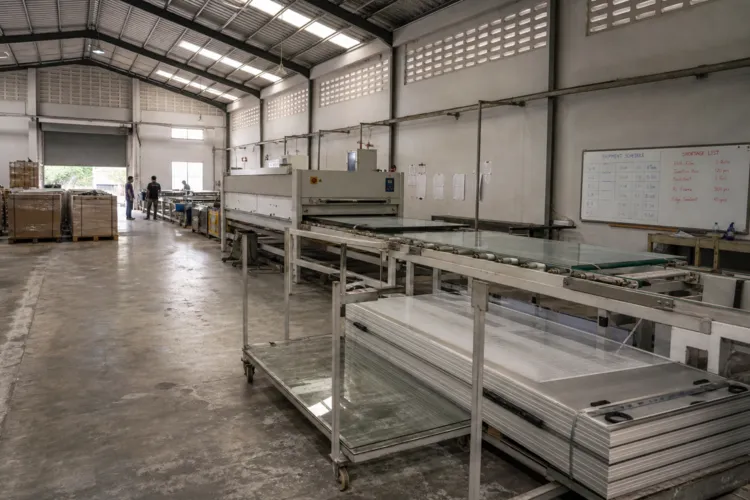
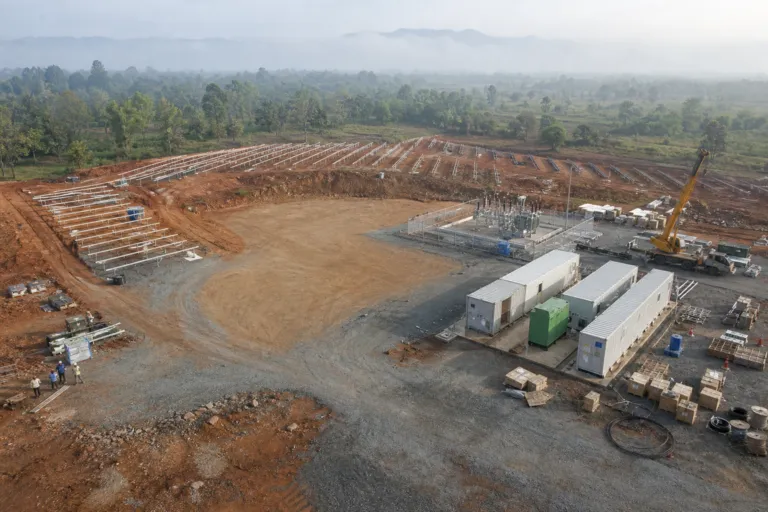
Solar is central to the near-term opportunity set because it combines low current penetration with visible project signals. Wikipedia’s overview cited in a 2026 renewable guide states Myanmar has the potential to generate 51,973.8 TWh/year, with an average of over 5 sun hours per day, while in 2023 solar contributed 1.65% of the country’s total energy mix. Myanmar opened its first solar plant in Minbu, Magway Division, in November 2018, and it can produce as much as 170 MW. In 2019, the government announced plans to build two solar plants—Myingyan and Wundwin in Mandalay Division—each with a generation capacity of 150 MW. A Global New Light of Myanmar report is also cited as noting six solar power plants in operation and 13 under construction.
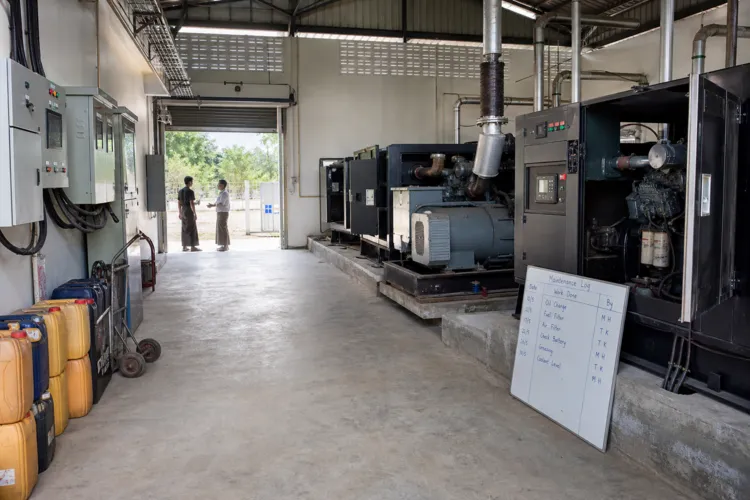
Distributed and captive solutions also pull EPC demand, especially where grid reliability is inconsistent. A 2026 EPC outlook links growth to industrial electrification needs, describing manufacturing clusters in Yangon and Mandalay that drive demand for captive power solutions; it notes textile and food processing facilities are commissioning gas-fired and solar hybrid systems for continuity. On the residential and small commercial side, an inverter market report focused on 2024–2026 dynamics describes a power crisis in which grid electricity is often available for only a few hours per day. It links growth in residential hybrid inverters (3 kW–6 kW) to a 2024 tariff hike where residential bills increased nearly 2x, and it cites typical inverter-only pricing between USD 200 and USD 600 for this segment.
Winning work in 2026 depends on approvals, compliance, and price-risk management as much as on technical design. Sources highlight that Myanmar’s Ministry of Electricity and Energy and the national environmental regulator shape project approval timelines, with hydropower EPC contracts facing intensified environmental impact assessment requirements. The Electric Power Generation Enterprise enforces grid code compliance that determines generator technical specifications and interconnection standards. Meanwhile, feed-in tariff recalibration and sovereign financing constraints are described as compressing contractor margins while extending project timelines, and EPC firms are exposed to currency volatility on dollar-denominated equipment imports. In this environment, contractors can differentiate with partnership models, procurement discipline, and delivery plans that fit Myanmar’s realities.
What is typically included in Myanmar power generation EPC scope for 2026 projects?
Which technologies are most active for contractor opportunities in 2026?
What solar project signals support EPC opportunity discussions in Myanmar?
How do approvals and compliance affect project timelines for contractors?
What are the key risks shaping the Myanmar power EPC market in 2026?