Myanmar’s economic outlook in 2026 sits between recovery and restructuring. Several sources describe a gradual, uneven stabilization, with more resilience in urban commercial centers than in rural or conflict-affected regions. Estimated nominal GDP is placed in the ~USD 65–75 billion range, while GDP per capita is reported at approximately USD 1,200–1,400 in one overview and USD 1,100–1,300 in another. Growth is described as low single-digit recovery, with a projected 2%–4% range. Reporting is complicated by a significant informal economy share, which can make official statistics understate real activity.
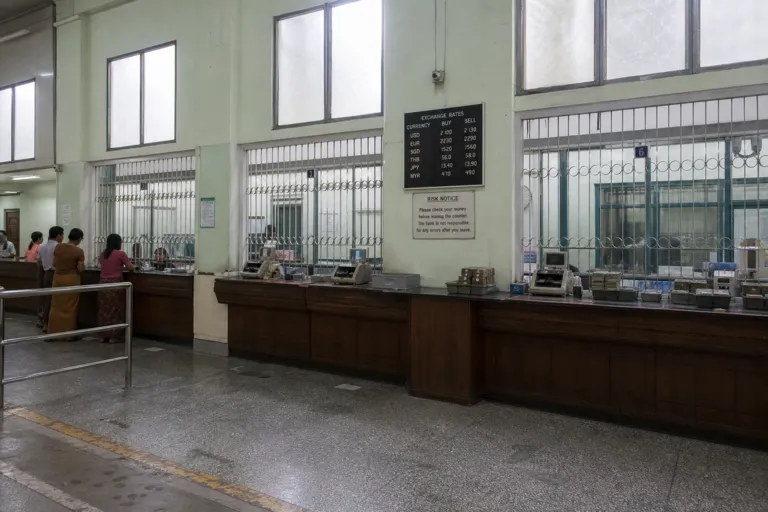
Macro conditions remain challenging in 2026. Inflation is described as elevated, tied to currency depreciation, import cost increases, fuel price volatility, and supply chain disruptions. One source estimates an inflation rate of 20%–30% and calls it volatile. The Myanmar kyat is also described as heavily volatile since 2021, with an estimated 2026 informal-market exchange of about 1 USD ≈ 3,500–4,500 MMK. Depreciation raises import costs, increases inflation, and distorts nominal GDP calculations in USD terms. For planning, this means pricing, procurement, and margin assumptions can change quickly.
Key Sectors to Watch in 2026: Agriculture, Energy, Industry, and Trade Corridors
Agriculture remains foundational and is described as the backbone of the economy, as well as the largest employer, supporting millions of rural households. A sector breakdown estimates agriculture at 20–25% of GDP, with key exports including rice, beans and pulses, corn, sesame, and rubber, and major markets including China, India, and Thailand. The same set of sources highlights practical headwinds such as fuel price volatility, climate risks, limited fertilizer imports, and currency instability. Even with these constraints, regional demand is cited as a factor supporting resilience in agricultural exports.
Energy and natural gas remain central to external earnings. Multiple sources state that natural gas exports are Myanmar’s largest foreign currency earner and a pillar of government revenue, supported by offshore projects and regional pipeline exports. Primary buyers are identified as Thailand and China, and energy export flows are linked to government revenue, foreign exchange reserves, and trade balance stability. At the same time, new large-scale energy investment is described as limited due to sanctions and geopolitical risk. This mix of strong cash-generation and constrained reinvestment shapes the 2026 outlook for the sector.
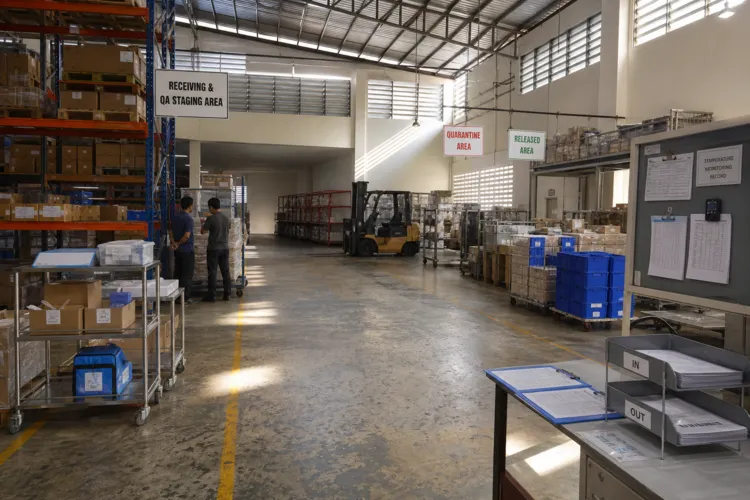
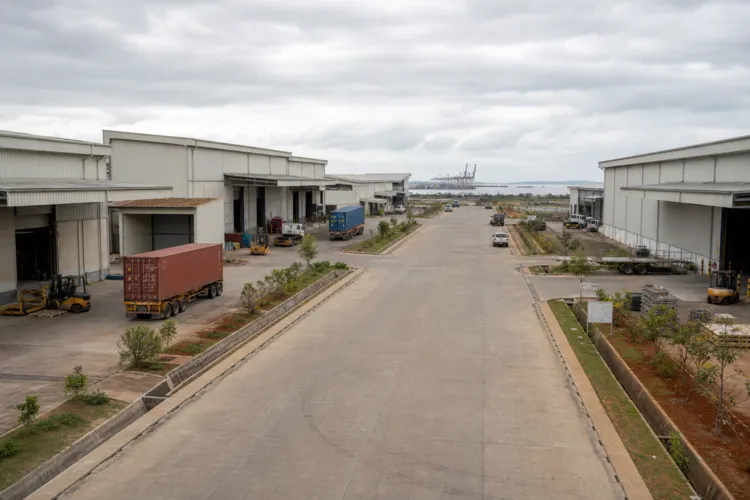
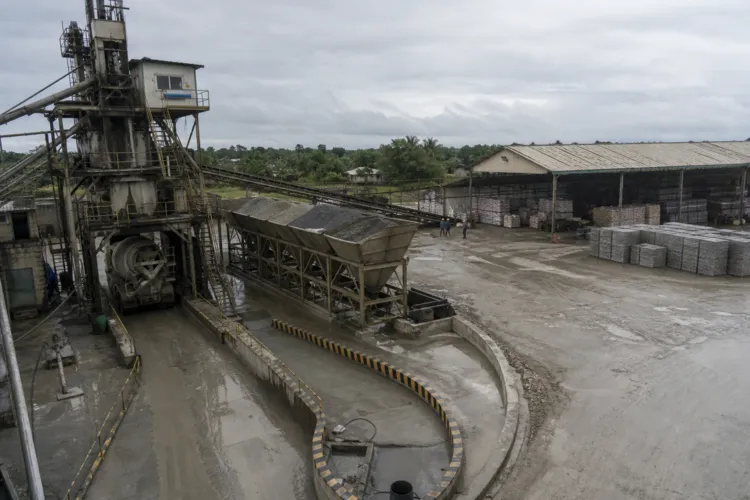
Manufacturing, border trade, and logistics connect demand to execution. Garment exports continue mainly to Asian markets, while Western brands have reduced exposure, and labor-intensive factories are described as operating at reduced margins. Thilawa Special Economic Zone is repeatedly noted as a key industrial hub and one of the more stable industrial areas due to infrastructure and Japanese-linked development structures. Border trade is also described as growing in GDP composition, with key routes including Muse (China border) and Myawaddy (Thailand border), and informal or semi-formal trade adding to activity beyond official measures. These dynamics feed into transport demand: MarkWide Research values Myanmar’s freight and logistics market at USD 3.8 billion in 2026, projecting expansion to USD 6.53 billion by 2035 at a 6.20% CAGR, with demand concentrating around Thilawa and cross-border road corridors into Thailand and China.
What is Myanmar’s estimated GDP size and growth outlook for 2026?
How volatile are inflation and the exchange rate in Myanmar during 2026?
Which sectors are most important for Myanmar in 2026?
What does Myanmar market research need to focus on for 2026 planning?