Investment interest in solar in Myanmar is being shaped by both resource potential and real-world energy constraints. Wikipedia’s overview of solar power in Myanmar states that the country has the potential to generate 51,973.8 TWh/year, with an average of over 5 sun hours per day. At the same time, solar remains a small part of the national mix: in 2023, solar contributed 1.65% of the country’s total energy mix. That combination—large technical potential alongside low current penetration—creates a clear development runway for projects and services linked to the Myanmar renewable energy market, especially where reliability and access are central concerns.
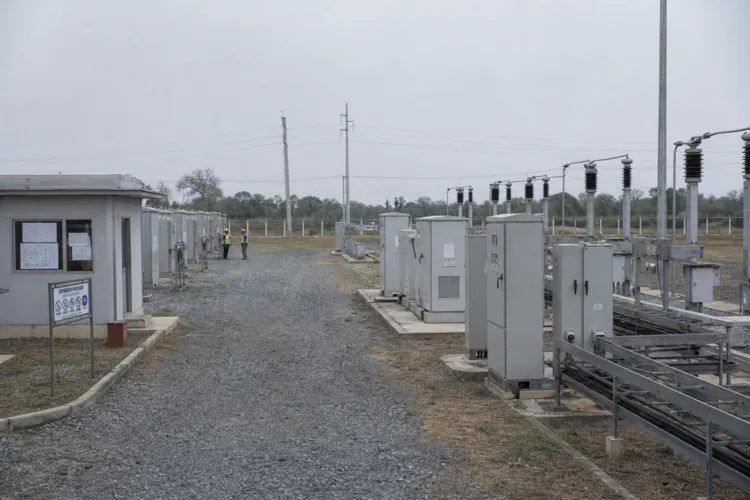
Utility-scale development is already visible through named plants and announced capacities. Myanmar opened its first solar power plant in Minbu, Magway Division, in November 2018, and it can produce as much as 170 MW of electricity. In 2019, the government announced plans to build two solar energy plants—Myingyan and Wundwin in Mandalay Division—each with a generation capacity of 150 MW. Separately, a Global New Light of Myanmar report notes six solar power plants in operation and 13 under construction. For investors, these signals can translate into opportunities across project finance, engineering, procurement, and construction (EPC), and localized operations support tied to a growing pipeline.
Where 2026 Deals Can Cluster: Off-Grid, Urban Backup, and EPC
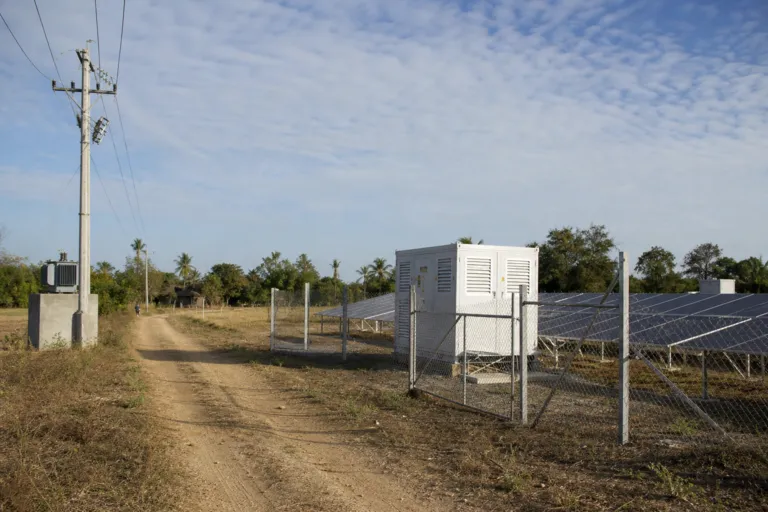
Beyond large plants, distributed solar demand is being pulled by electrification gaps and day-to-day power stability needs. Wikipedia notes that 70% of Myanmar’s population live in rural areas, where photovoltaics are used for charging batteries and pumping water. An inverter market report focused on 2024–2026 dynamics describes a market driven by a power crisis in which grid electricity is often available for only a few hours per day. The same report links growth in residential hybrid inverters (3 kW–6 kW) to a 2024 tariff hike where residential bills increased nearly 2x, and it cites typical inverter-only pricing between $200 and $600 for this segment. These conditions can support investment themes in mini-grids, off-grid packages, and urban hybrid systems that prioritize resilience.
EPC and delivery capacity also matter in converting opportunity into operating assets. A Myanmar power generation EPC market outlook highlights that foreign investments are playing a crucial role in funding power generation projects, with international companies partnering with local entities. It also flags rural electrification as a significant opportunity for EPC companies to develop off-grid and mini-grid power generation projects, and it frames renewable energy projects—solar, wind, and hydro—as areas opened by government focus. For 2026, investors can evaluate not only project ownership, but also contracting models, partnerships, and risk allocation structures that fit Myanmar’s on-the-ground delivery realities.
Startup activity provides another lens on where the market is organizing. Tracxn lists 12 active solar energy companies in Myanmar as of May 2026, with 4 companies having received funding. That suggests a small but identifiable set of local operators and solution providers that can become partners, channels, or acquisition targets for developers and equipment suppliers. In parallel, the inverter report describes a market dominated by Chinese manufacturers and notes brand activity at the 2026 Myanmar Expo, pointing to active competition and product localization. For investors, opportunity often sits at the intersection of financing, distribution, after-sales service, and bankable system design.
What signals point to near-term solar scale-up in Myanmar?
Which utility-scale projects are specifically named in the sources?
What is driving residential and commercial solar equipment demand in 2026?
How active is the startup scene in the Myanmar renewable energy market?
What price range is cited for popular residential hybrid inverters in Myanmar?